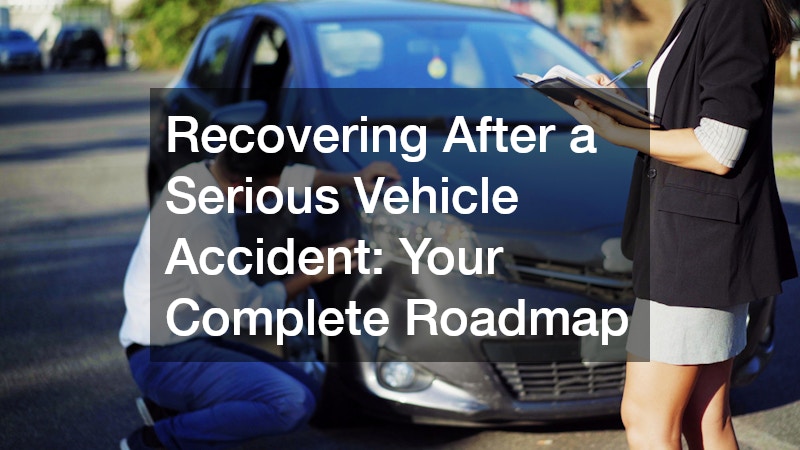
A serious vehicle accident turns your world upside down in seconds, leaving you with a damaged car or motorcycle, mounting questions, and no clear sense of what to do first. Whether you were behind the wheel of a sedan or riding your favorite bike, the path back to normal life involves practical decisions about safety, repairs, and paperwork. This roadmap breaks down each stage of recovery into manageable steps so you can move forward with confidence instead of confusion. By the end, you will know exactly who to call, what to check, and how to protect both your vehicle and your wallet.
What to Do in the First Hour After a Crash
The minutes immediately following a collision matter more than most people realize, both for safety and for the paperwork that follows. Before anything else, check yourself and any passengers for injuries, and call 911 immediately if anyone reports pain, dizziness, or visible bleeding, even if it seems minor. If the vehicle is drivable and blocking traffic, move it to the shoulder or a nearby parking lot; if it’s not drivable, turn on hazard lights and set up flares or reflective triangles if you have them, especially on highways or in low-visibility conditions.
Once everyone is accounted for, document the scene with photos of the vehicles from multiple angles, license plates, road conditions, traffic signals, skid marks, and any visible damage before things get moved or cleaned up. Take note of the time, weather, and lighting conditions, since these details fade quickly from memory. If there were witnesses, ask for their names and phone numbers before they leave.
Exchange insurance and contact information with the other driver, but keep the conversation limited to facts—avoid speculating about fault or apologizing, since even casual remarks can be used against you later.
If your car or motorcycle cannot be safely driven, you will need a reliable tow service to get it off the road and to a secure location, whether that’s your home, a repair shop, or a body shop your insurer recommends. Searching for towing near me on your phone can connect you with a company quickly, often within 20 to 45 minutes depending on your location, but it helps to already know a trusted provider before an emergency happens.
Before the tow truck arrives, take photos of the vehicle’s position and damage, and grab any personal belongings, registration, and insurance card from inside. Ask the driver where the vehicle will be stored and whether daily storage fees apply, since some lots charge $40 to $75 per day starting after the first 24 hours.
Keep the tow receipt and any paperwork from this stage, since it may become relevant later when filing insurance claims or disputing storage charges.
- Move to a safe area away from active traffic if possible, such as the shoulder or a nearby parking lot, and turn on your hazard lights immediately
- Call emergency services even for seemingly minor accidents; most states legally require a police report for damage over $500 or any injuries
- Check yourself and passengers for injuries before exiting the vehicle, since adrenaline can mask pain from fractures or concussions
- Photograph damage, skid marks, and surrounding conditions, including license plates, road signs, weather, and any visible injuries
- Exchange information with the other driver, including full name, phone number, insurance company, policy number, and license plate
- Get the responding officer’s name and badge number, and ask how to obtain a copy of the accident report
- Note the exact time and location for your records, using landmarks or GPS coordinates if street signs aren’t visible
- Avoid discussing fault or apologizing at the scene, since these statements can be used against you during insurance claims
Assessing the True Extent of Vehicle Damage
Damage from a serious accident is not always visible to the naked eye, which is why a thorough inspection matters before you decide anything about repairs. Frame damage, misaligned suspension, or hidden fluid leaks can go unnoticed for weeks and cause bigger problems down the road. A qualified inspector will check both cosmetic and structural elements, since what looks like a simple dent can sometimes indicate deeper mechanical trouble.
Getting a full diagnostic soon after the crash gives you a clearer picture of repair costs and helps your insurance adjuster process your claim accurately. This is also the point where you should ask questions about warranty coverage on parts, expected turnaround time, and whether the shop uses manufacturer-approved components. Being proactive here saves you from surprises later and gives you leverage when negotiating with insurance.
Choosing the Right Shop for Structural and Cosmetic Repairs
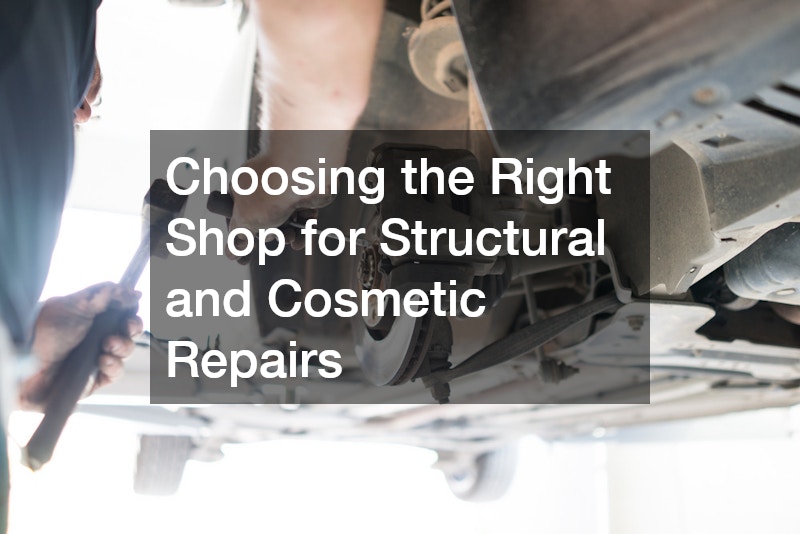
Once you understand the scope of damage, the next step is finding a shop equipped to handle both structural and cosmetic work. Comprehensive auto body repair typically involves frame straightening, panel replacement, paint matching, and recalibration of safety sensors on newer vehicles. Not every shop has the equipment for all of these tasks, so it is worth confirming their capabilities before committing.
A dependable local auto body shop will walk you through the repair timeline, provide a written estimate, and communicate openly if additional damage is discovered mid-repair. Look for certifications from recognized industry organizations, as these often indicate the shop invests in ongoing training and updated equipment. Reading recent customer reviews focused specifically on collision repair, rather than general service, gives you a more accurate sense of their expertise.
- Ask whether the shop offers a written warranty on repairs
- Confirm they use OEM or manufacturer-approved parts when possible
- Request a detailed estimate broken down by labor and materials
- Check if they handle insurance claims directly on your behalf
Addressing Braking and Safety System Concerns
Braking systems are among the most safety-critical components affected in a collision, even in accidents that seem relatively minor. Impact can bend rotors, damage brake lines, or throw off the calibration of anti-lock braking systems, all of which compromise stopping power. Never assume your brakes are fine simply because the pedal feels normal immediately after an accident.
Scheduling brake repair as part of your post-accident inspection ensures these hidden issues get caught before you are back on the road. Technicians will typically check pad wear, rotor condition, fluid levels, and electronic sensor function to confirm everything meets safety standards. Skipping this step to save time or money is a risk that simply is not worth taking given how central braking is to overall vehicle safety.
Special Considerations for Motorcycle Riders
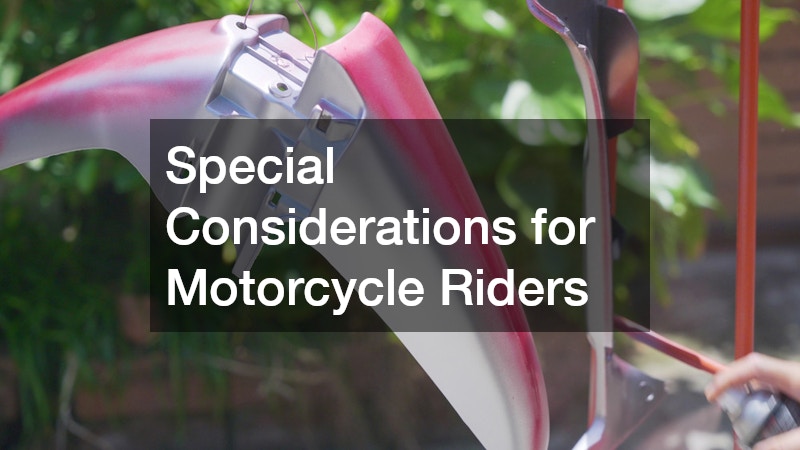
Motorcycle accidents often involve a different set of recovery challenges compared to car collisions, since bikes have fewer protective barriers between the rider and the impact. Frame alignment, fork damage, and wheel trueness need careful evaluation, as even small misalignments can affect handling at speed. Riders should also have their helmet and protective gear inspected, since equipment involved in a crash may no longer offer adequate protection even without visible cracks.
For those riding a Harley, finding a shop experienced specifically with Harley repairs makes a real difference in both quality and turnaround time. These bikes have unique engine configurations, electrical systems, and frame designs that not every general shop is equipped to service correctly. Working with skilled motorcycle mechanics who understand these nuances helps ensure your bike returns to the road running the way it should, not just looking repaired on the surface.
- Have the frame and forks checked for alignment issues
- Inspect wheels and tires for hidden cracks or bends
- Replace any protective gear involved in the impact
- Ask about diagnostic testing for electrical and fuel systems
Restoring Your Motorcycle to Its Former Condition
Beyond mechanical repairs, many riders want their motorcycle to look and feel like it did before the accident, which often means addressing cosmetic and accessory damage too. Mirrors, saddlebags, handlebar grips, and lighting components are commonly damaged even in low-speed incidents and can affect both function and resale value if left unaddressed. Replacing these pieces with quality parts helps your bike perform reliably while also restoring its original character.
Sourcing genuine harley davidson motorcycle accessories rather than generic aftermarket alternatives tends to result in a better fit and longer-lasting durability. Original parts are designed specifically for your model’s dimensions and electrical systems, reducing the chance of compatibility issues down the line. While these components can cost more upfront, many riders find the investment worthwhile for the peace of mind and consistent performance they provide.
Finding Trustworthy Repair Professionals Nearby
Whether you drive a car or ride a motorcycle, finding professionals you trust is one of the most important steps in the recovery process. Word of mouth remains one of the most reliable ways to find quality service, so asking neighbors, coworkers, or local community groups for recommendations can point you toward reputable options. Online review platforms are helpful too, but pay attention to patterns in feedback rather than isolated complaints or praise.
Building a relationship with local mechanics you trust means you always have someone to call, whether it is for post-accident repairs or routine maintenance down the line. A good shop will be transparent about pricing, explain repairs in plain language, and never pressure you into unnecessary services. Having this relationship established before an emergency happens can save significant stress when you need help quickly.
- Ask friends and family for firsthand shop recommendations
- Compare estimates from at least two or three providers
- Look for shops with transparent, itemized pricing
- Notice how clearly staff explain the repair process
Navigating Insurance Claims and Legal Considerations
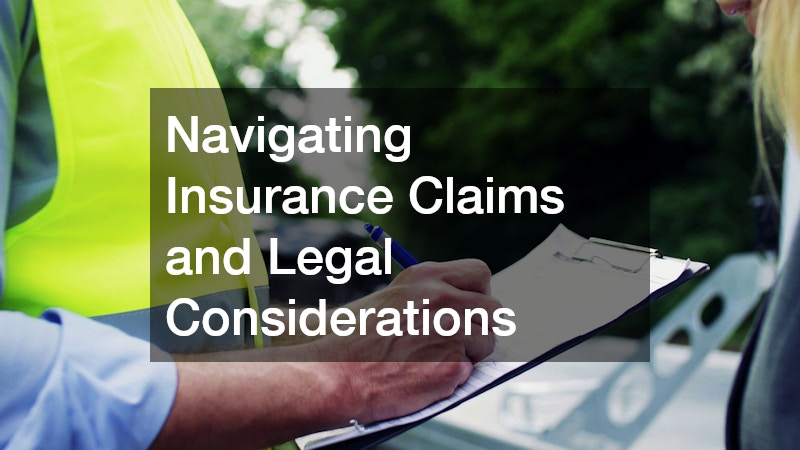
Dealing with insurance companies after a serious accident can be one of the most frustrating parts of the entire recovery process, particularly if fault is disputed or injuries are involved. Insurers sometimes offer settlements that do not fully cover long-term medical costs, lost wages, or extensive vehicle damage, so understanding your rights matters. Keeping thorough records of every repair estimate, medical visit, and communication with the insurance company strengthens your position throughout the process.
If the accident involved significant injuries, disputed liability, or a lowball settlement offer, consulting a car accident attorney can help you understand whether you are being treated fairly. Many attorneys offer free initial consultations, making it low-risk to at least explore your options before accepting any settlement. Having legal guidance can be especially valuable when the other party’s insurance company is pushing for a quick resolution that may not reflect the true cost of your recovery.
- Keep copies of every repair estimate and medical bill
- Avoid signing settlement offers without fully understanding the terms
- Document lost wages and time away from work
- Ask about consultation fees before scheduling a meeting
Getting Back on the Road with Confidence
Once repairs are complete, it is worth taking your vehicle or motorcycle for a short test drive in a controlled, low-traffic area, such as an empty parking lot or quiet residential street, before returning to normal daily use. Start at low speeds and gradually work up to highway speeds if possible, testing the brakes, steering response, and acceleration separately.
Pay attention to unusual noises, vibrations, or handling issues, such as pulling to one side, a spongy brake pedal, dashboard warning lights, or a burning smell, that might indicate the repair was not fully thorough. Even small details, like a door that doesn’t close flush or a rattle over bumps, are worth noting and reporting back to the shop.
Trust your instincts here, since you know how your vehicle normally feels better than anyone else. If something seems off, don’t wait for it to worsen; return to the repair shop promptly for a follow-up inspection, and consider a second opinion from an independent mechanic if you remain unsure the repairs were completed correctly.
Scheduling a follow-up inspection two to four weeks after the repair—or after your first 500 to 1,000 miles of regular driving—is a smart habit, particularly for accidents involving structural or mechanical damage. This extra check can catch issues that only become apparent after regular driving conditions put stress on the repaired components, such as loosening bolts, misaligned panels, or fluid leaks that weren’t visible right after the work was completed.
Ask the shop to specifically check wheel alignment, suspension components, brake performance, and any warning lights that may have reset during the repair process. If you notice new noises, pulling to one side, or a burning smell in the days after picking up the car, don’t wait for the scheduled visit—bring it in immediately. Many reputable shops offer this follow-up check free of charge, especially if the original repair came with a warranty.
Keeping documentation from this second inspection is worth the extra effort, too. It creates a paper trail that can support a warranty claim or insurance dispute if a related problem surfaces months later. Taking this final step gives you genuine peace of mind rather than just hoping everything holds up over time.
Recovering from a serious accident is rarely simple, but breaking the process into clear steps makes it far less overwhelming. From the first call for help to the final inspection after repairs, each decision plays a role in getting you safely back on the road. Take your time choosing the right professionals, keep thorough records, and do not hesitate to seek guidance when something feels unclear. With the right plan in place, you can move through this challenging experience and come out the other side with confidence in both your vehicle and your peace of mind.